


lord:
(plural: ‘lords‘)

a lord (an emperor/king)
(always with a capital ‘L’) God;
a man who rules people; a ruler; a master;
an important and powerful person in an organisation or industry;
(old usage) the husband of a married woman;
a noble man of high rank in some European countries,
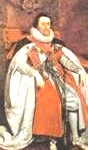
a lord in Europe in the past
In some countries, especially the United Kingdom, the word ‘Lord’, always with a capital ‘L’, is used as title before the name of the position of an important person, such as a mayor or judge/justice, though the person does not belong to any royal family — “the Lord Mayor” or “the Lord Justice”, and in this context, even the female members take the word ‘Lord’ instead of “Lady”.
‘Lord’ is used to refer to the owner of a large property, and in combination with the word ‘land’, this word is used to refer to the owner of an inn, lodging house, hostel or just a house or building that is let out to a tenant — ‘the landlord of Oak Inn’, ‘the landlord of my apartment’, etc.
‘Lord’ is also used in exclamations — “Lord, I’m hungry!”
The (illegal) drug lords in some South American countries have an army of thugs working for them, and are capable of resisting the government’s Army if it comes in their way!
Male ——————– female
lord lady
duke duchess
marquess/
marquis marchioness
earl countess
count countess
baron baroness
A ‘peer’, in this context, is a noble man of high social rank; and a ‘peeress’ is a noble woman of high social rank.