


calendar — calender — colander
(‘Calendar’ and ‘calender’ have the same pronunciation; ‘colander’ has a slightly different first vowel sound.)
The following paragraph shows one of the silly mistakes found even in such standard books as “TOEFL – How To Prepare For The Test Of English As A Foreign Language (page-25) by Roger B. Goodman and William Ince, published by Mc Graw-HillBook Co., Singapore and New Delhi, copyright (1981):
“… He was teacher of scientific subjects and was … astrology and metaphysics, for his prodigious feats of memory, and … philosophy. His reform of the Persian calender achieved extraordinary …”. [In this example, the word ‘calendar’ should have been used in place of ‘calender’] .
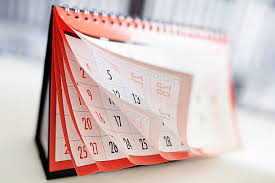
a typical table-top calendar
“Calendar”, for the right pronunciation, please click here,
is ‘a register which shows the names and dates of days, weeks and months of a year’, and in a more general sense, ‘a schedule’,
e.g.
Sundays and public holidays are not printed in red in this calendar.
____________________________________
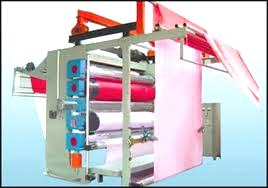
a calender (machine)
“Calender”, for the right pronunciation, please click here,
is ‘a rolling machine used in glazing paper or in pressing or smoothing cloth’ {old-fashioned or out- dated}
e.g.
We need a new calender in our laundry.
_____________________________________
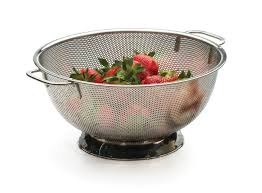
a standard colander
“Colander”, for the right pronunciation, please click here,
is ‘a strainer (a simple metal or plastic bowl with a lot of small holes in it) used to separate liquid from solid in preparing food items’,
e.g.
Some people use a colander to strain the water off while cooking rice.